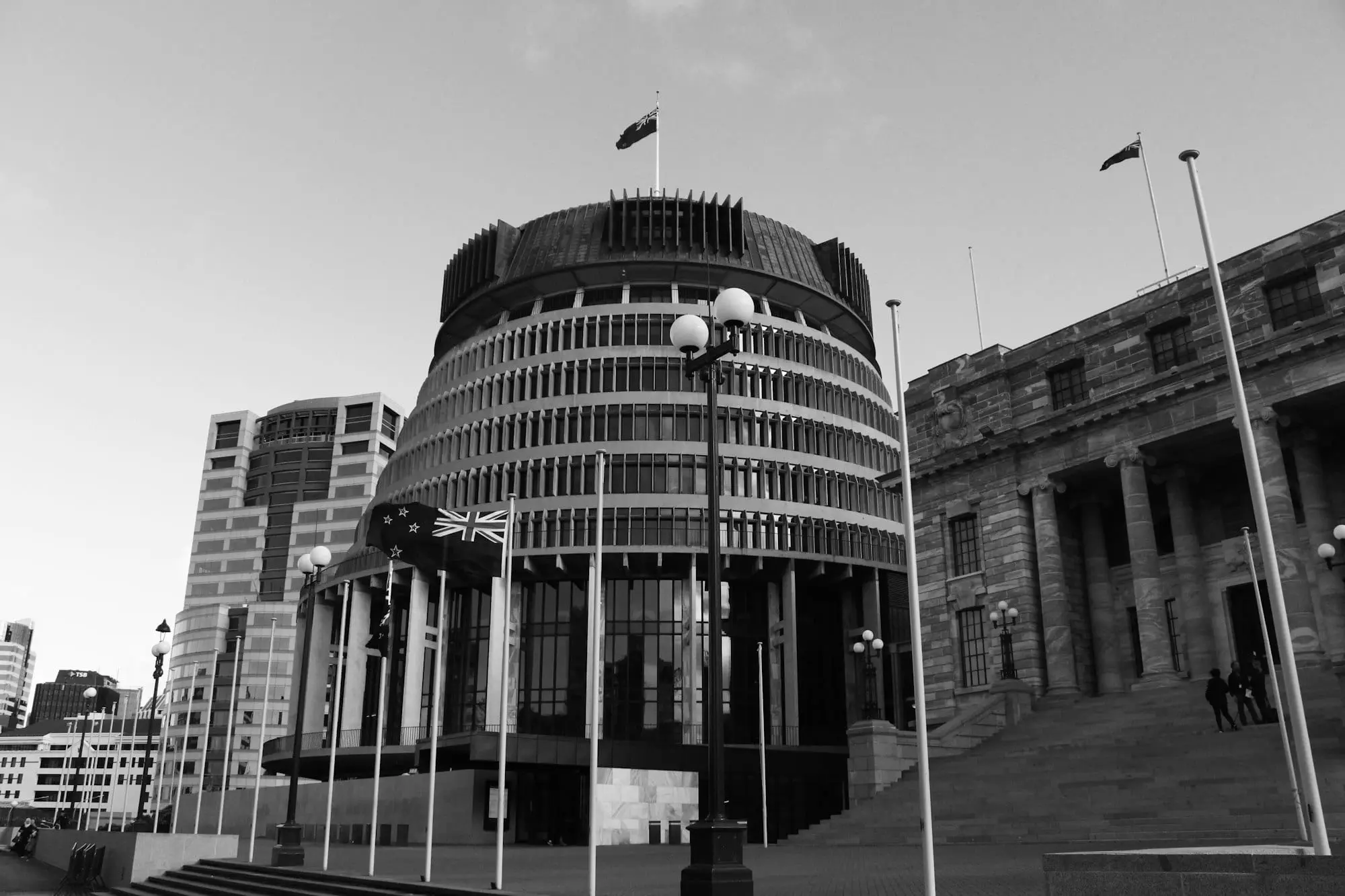
Not automatically. OFAC's rules bind US persons, and a company in the UK, Australia or New Zealand is not a US person. But OFAC says in its FAQ 3 that "Non-U.S. persons are also subject to certain OFAC prohibitions." In practice, most small businesses outside the US meet OFAC through a dollar payment, a US customer or a US bank.
This guide covers the five ways US sanctions reach a business abroad, what OFAC has fined non-US companies for, and which lists to screen if any of them apply to you.
The short answer: who OFAC's rules bind
OFAC's June 2026 introduction guide puts it in one sentence: "All persons subject to the jurisdiction of the United States must comply with OFAC regulations." It then lists who that is:
- US citizens and lawful permanent residents, wherever they are
- all individuals and entities within the United States
- all US-incorporated entities and their foreign branches
A company incorporated in London, Sydney or Auckland is on none of those lines. The same guide goes on: "Depending on the authorities governing each sanctions program, non-U.S. persons may also be required to adhere to OFAC sanctions requirements." The sections below are the situations that sentence covers.
Route 1: paying or getting paid in US dollars
This is the route most small businesses abroad meet. A dollar payment between two non-US companies usually still clears through a correspondent bank in the United States. That US bank is a US person. If the payment involves a sanctioned party or country, and no exemption or OFAC license covers it, the bank processing it would be violating OFAC sanctions.
OFAC's 2019 Framework for OFAC Compliance Commitments names this as a root cause of past cases. It says non-US persons have violated OFAC's regulations by sending payments, "almost all of which have been denominated in U.S. Dollars," through US financial institutions for deals involving sanctioned countries, regions or persons.
The 2024 Tri-Seal Compliance Note from OFAC, the Commerce Department and the Justice Department gives the same example. A non-US person breaks the rules when it "routes a prohibited transaction through the United States or the U.S. financial system, thereby causing a U.S. financial institution to process the payment in violation of OFAC sanctions."
No US company has to be part of your deal. The dollar clearing is enough.
Route 2: causing a US person to break the rules
The payment route is one case of a wider rule. FAQ 3 says non-US persons "are prohibited from causing or conspiring to cause U.S. persons to violate U.S. sanctions, as well as engaging in conduct that evades U.S. sanctions."
The Tri-Seal Note lists examples of how a non-US person does that:
- leaving a sanctioned party or country out of transaction documents that a US person handles
- misleading a US person into exporting goods that end up in a sanctioned country
- routing a prohibited payment through the US financial system
A US person can be your bank, a US software or cloud provider, a US freight forwarder, or a US citizen on your staff. If your deal needs one of them to act, OFAC's rules apply to what they do for you.
Route 3: US-origin goods, software and technology
Some sanctions programs follow US goods abroad. OFAC's introduction guide says: "Certain sanctions programs also require foreign persons reexporting certain goods, technology, or services from the United States to comply with U.S. sanctions, even if no U.S. persons are involved in the reexport."
US export controls go further. The Commerce Department's Bureau of Industry and Security (BIS) controls items "subject to the Export Administration Regulations" wherever they are. That can include goods made abroad with US parts or US technology. If you resell US equipment, electronics or software, read our guide to the US Consolidated Screening List, which covers the BIS lists.
Route 4: secondary sanctions
Secondary sanctions work another way. The US can sanction you for what you did, even though no US rule bound you when you did it.
OFAC's introduction guide defines them as sanctions "used to specifically and explicitly target non-U.S. persons, such as non-U.S. banks, for engaging in certain transactions with blocked persons or other specified activities." It adds that their use "has become more common," and that most programs have always let OFAC sanction non-US persons for providing "material support" to sanctioned persons.
For a small business the practical risk is being added to the SDN list itself, or losing access to banks that clear US dollars. OFAC's guide says secondary sanctions were historically used in only a few programs, such as Iran's, and are now used more often.
Route 5: US subsidiaries and US-owned companies
A few programs reach foreign companies owned by US persons. The introduction guide says OFAC's "Cuba, Iran, and North Korea sanctions programs extend sanctions prohibitions to certain foreign entities owned or controlled by U.S. persons or U.S. financial institutions."
If a US company or US citizen owns or controls your business, ask whether those programs apply to you. This is one of the few cases where a company outside the US is bound by OFAC rules directly.
Your bank and customers screen anyway
The five routes describe legal exposure. Commercial exposure is wider. Banks that clear US dollars screen those payments against OFAC's lists, wherever the bank is based. Large US customers often screen their suppliers before they pay them. Some ask suppliers to confirm in writing that they screen their own contacts.
So a match on the SDN list can stop your payment even when OFAC has no case against you. A dated record of your own checks gives you something to show the bank or customer when they ask.
What OFAC has fined non-US companies for
OFAC publishes its penalties and settlements on its enforcement information page. Two cases show the dollar route.
Toll Holdings, Australia (2022)
Toll Holdings is a freight forwarding and logistics company headquartered in Australia. In April 2022 it agreed to pay more than 6.1 million US dollars to settle 2,958 apparent violations. The enforcement release says Toll originated or received payments through the US financial system for shipments involving North Korea, Iran and Syria. OFAC found that Toll acted recklessly by failing to adopt policies that would have prevented the transactions.
British American Tobacco, UK (2023)
British American Tobacco is headquartered in London. In April 2023 it settled with OFAC for about 508 million US dollars. The enforcement release describes a conspiracy to export tobacco to North Korea and receive payment through the US financial system. OFAC set the amount at the statutory maximum because it found the case egregious and not voluntarily disclosed.
Neither company was a US person. Both cases turned on payments that passed through US banks.
What about the EU and UK blocking rules?
The EU and the UK each have rules that, for certain US sanctions, forbid their companies from complying. The EU's Blocking Statute and the UK's protection of trading interests rules mainly cover US measures on Cuba and Iran. They can put a company between two sets of rules. If you deal with Cuba or Iran, get legal advice before you decide what to do.
Which lists should a UK, Australian or New Zealand business screen?
Start with your own country's list. Your own law binds you without any US link:
- UK businesses: the UK Sanctions List
- Australian businesses: Australia's Consolidated List
- New Zealand businesses: the Russia Sanctions Register, plus UN listings
Add OFAC's lists if any of these apply:
- you pay or get paid in US dollars
- you have US customers, US suppliers or a US bank
- you use US staff, US software or US cloud services in the deal
- you resell US-origin goods or technology
- a US person owns or controls your business
Add the EU list if you buy from or sell to EU companies, because their banks screen against it.
Searching four lists by hand for every contact takes time, and the lists change often. Sanctions Verified, opening to Xero and QuickBooks Online users, checks every contact against the UK, OFAC, EU, UN, Australian and New Zealand lists in one pass and keeps a dated certificate of each check. You can try one name now with the free check.
If a name matches, stop the payment before you do anything else. Our guide to sanctions compliance for small businesses covers what to do next. If you are outside the US and unsure whether a deal brings in US rules, ask a sanctions lawyer before you go ahead.